Selling in Eagle Rock is rarely just about square footage. Buyers often respond to how a home sits on the lot, how the light moves through the rooms, how the outdoor space feels, and how the property connects to the neighborhood around it. If you are preparing to sell, a smart mix of staging and storytelling can help your home feel memorable, credible, and market-ready from day one. Let’s dive in.
Why Eagle Rock calls for story-first marketing
Eagle Rock has a distinct setting within Northeast Los Angeles, with hilly terrain, historic homes, and recognizable neighborhood anchors such as Occidental College and the Eagle Rock landmark. City Planning materials also note that the area developed as a separate suburban city before joining Los Angeles in 1923. That history still shows up in the housing stock and the overall feel of the neighborhood today.
For you as a seller, that means buyers may be weighing more than a simple list of room counts. They are often noticing lot placement, hillside orientation, street presence, outdoor usability, and the home’s architectural character. In Eagle Rock, those details are often part of what makes a listing stand out.
Architecture helps shape the story
Historic-resources materials for Northeast Los Angeles describe parts of Eagle Rock, including Happyland, as early 20th-century residential areas with cohesive Period Revival architecture, modest lots, and some parcels set into the hillside. That tells you something important about presentation. The home, the landscape, and the lot orientation often work together as one package.
A thoughtful sale strategy should bring that package into focus. Instead of marketing a home as a generic product, you want buyers to understand how it lives and what makes its setting feel special.
What staging actually does
Staging is not about disguising a house or turning it into a movie set. It is about presenting the property in a way that highlights its strengths and helps buyers picture daily life there. That usually means editing the space so the best features are easier to notice.
According to the 2025 Profile of Home Staging, 83% of buyers’ agents said staging helps buyers envision the property as their future home. The same report found that 29% said staging produced a 1% to 10% increase in the dollar value offered, and 49% of sellers’ agents reported faster sales for staged homes.
Focus on the rooms buyers notice most
The same staging data found that the most commonly staged rooms are the living room, primary bedroom, dining room, and kitchen. That lines up well with how many Eagle Rock homes are experienced in person and online. These are often the rooms that set the tone and help buyers understand flow, scale, and everyday use.
If your budget or timeline is limited, those spaces usually deserve the most attention first. A strong living room, a calm primary bedroom, a functional dining area, and a clean, bright kitchen can shape the entire impression of the home.
Staging for Eagle Rock homes
In Eagle Rock, staging should support the home’s real character rather than compete with it. If your home has original details, good natural light, a usable patio, or a hillside view, the goal is to make those strengths easier to read. Buyers should be able to see the story quickly, both in photos and during showings.
That usually starts with a few basics:
- Declutter surfaces and storage areas
- Remove bulky furniture that makes rooms feel smaller
- Pack away highly personal items
- Deep clean the home from entry to closets
- Handle minor repairs before photos
- Use simple, neutral styling that does not distract from the home itself
Keep the online version honest
There is an important balance here. Buyers may arrive with polished expectations, but they also want the home they visit to match what they saw online. Research on listing prep and staging emphasizes that the in-person experience should feel aligned with the photos and marketing.
That means the best staging is polished but believable. You want a home to feel elevated, not artificially different from real life.
Why visuals matter as much as the staging
Even the best staging can fall flat if the media package is weak. Buyers’ agents have said that listing photos, physical staging, videos, and virtual tours are highly important to clients. In practice, that makes visual marketing a core part of the selling strategy, not an extra at the end.
Photos often determine whether someone clicks into a listing at all. Research also shows that the first photo sets expectations for the rest of the property, and early views, saves, and shares can help a listing gain traction in search results and buyer alerts.
Choose a lead image with intention
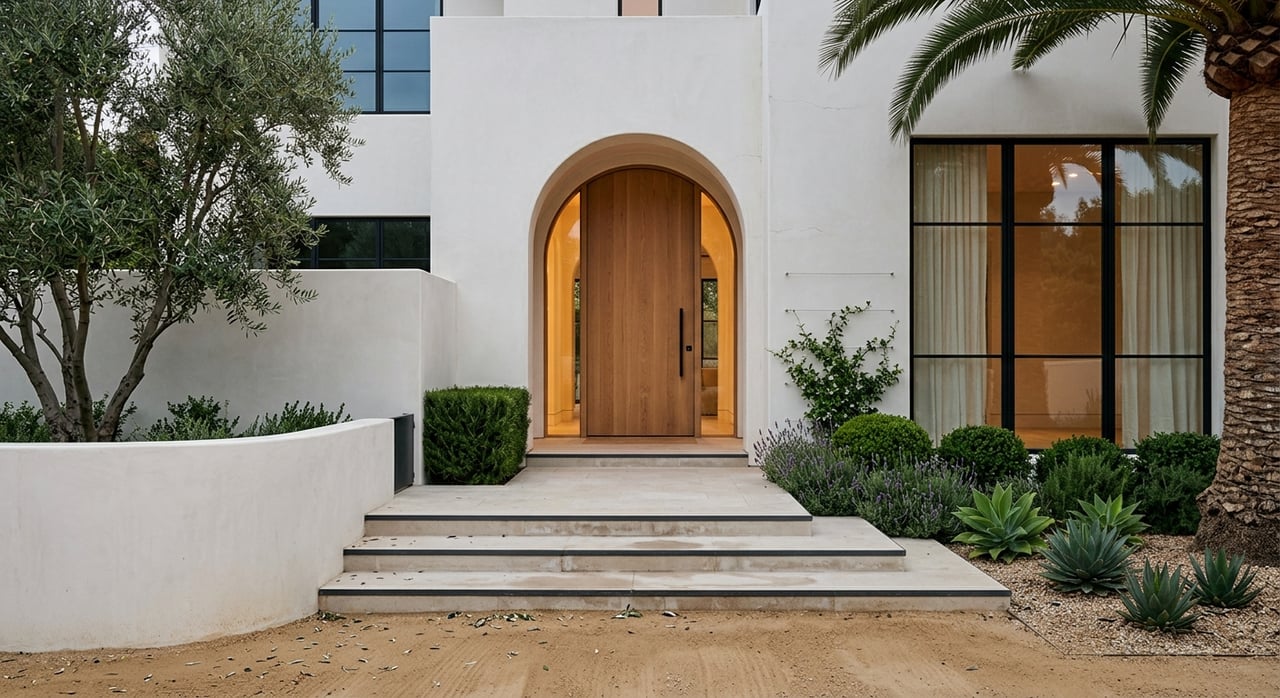
For many Eagle Rock homes, the strongest opening image may not always be the biggest room. It may be the exterior that shows off hillside placement, a welcoming front approach, a living room with great light, or an outdoor area that captures the lifestyle of the home. The key is choosing the image that makes buyers want to keep going.
After that, the full photo sequence should feel coherent. A strong set usually moves through key rooms, meaningful details, natural light, and outdoor spaces so buyers can understand both the layout and the atmosphere.
A practical prep-and-launch plan
If you want your listing to feel polished without losing momentum, it helps to think in stages. The strongest launches usually come from a clear, repeatable process.
Step 1: Identify the story anchors
Before moving furniture or booking photos, define what buyers should notice first. In Eagle Rock, story anchors often include architecture, natural light, indoor-outdoor flow, usable yard or patio space, and the home’s neighborhood setting.
Once those anchors are clear, every prep choice becomes easier. You are no longer decorating randomly. You are supporting the most marketable version of the home.
Step 2: Edit the home before staging
Start by decluttering, cleaning, depersonalizing, and making minor repairs. Simplify each room so its purpose is obvious. This step creates the foundation for any staging plan and helps prevent the home from feeling crowded or visually confusing.
For sellers, this is often where the biggest transformation happens. Removing distractions can make the architecture, light, and layout feel much stronger right away.
Step 3: Stage to support daily life
Once the home is edited, staging can reinforce how each space functions. A breakfast nook should feel usable. A flex room should read clearly as an office, guest room, or creative space. A patio should suggest a real way to enjoy the outdoors.
This matters because narrative marketing works best when the rooms back up the story. If the copy describes easy entertaining or quiet morning coffee outside, the visuals should make that feel plausible.
Step 4: Photograph the home strategically
Professional photography should capture key rooms, close-up features, natural light, and outdoor space. The goal is not just documentation. It is helping buyers understand what the home offers within seconds.
For Eagle Rock properties, that can be especially important when the lot, landscaping, or elevation adds appeal. Good photography helps those assets read clearly online.
Step 5: Launch with a complete media package
Photos do a lot of the work, but a full launch may also include video, a virtual walkthrough, and sometimes a floor plan when useful. These tools help buyers understand both the property and how it lives.
That is especially helpful when a home has layered spaces, multiple outdoor areas, or a layout that makes more sense when experienced visually rather than described in a short listing summary.
Step 6: Make the first 72 hours count
Early listing activity matters. Research shows that views, saves, and shares in the first 72 hours can influence future visibility in search results and buyer alerts. That makes launch timing, photo order, and overall presentation more important than many sellers realize.
In other words, you do not want to treat the first few days online as a soft opening. You want the home ready to make a strong first impression immediately.
What strong listing copy sounds like
Good listing copy should help buyers imagine daily life in the home while also answering practical questions clearly. That means avoiding vague hype and focusing on what is actually there. Buyers want to know the room count, updates, storage, outdoor usability, and how the spaces function.
In Eagle Rock, the best copy often connects architectural character with everyday living. That might mean describing a front porch that works for slow mornings, a patio set up for outdoor dinners, or a flexible room that can support work or guests.
Specific beats clever
Clever phrases may catch attention for a second, but specifics build trust. If the home has a terraced yard, say so. If the living room gets strong afternoon light, show and describe it. If the setting offers a meaningful connection to the broader Northeast Los Angeles context, that can be part of the story too.
The goal is a polished description that still feels believable. Buyers should come away with a clear picture of the home, not just a mood board.
Why the right agent strategy matters
For most sellers, staging is only one piece of the outcome. The larger goal is to present, price, and launch the home in a way that creates momentum with the right buyers. National seller data shows that sellers most want help marketing the home, pricing it competitively, and selling within a specific timeframe. The same report found that 90% of sellers used an agent or broker.
That fits what many Eagle Rock sellers need in real life. A strong result usually comes from treating staging, visuals, listing copy, pricing, and launch timing as one connected system.
Ross Carter’s approach is built around that kind of coordination. With deep Eastside neighborhood knowledge, curated staging and contractor networks, and a marketing-forward listing strategy, you can prepare your home with a clear plan instead of guessing what matters most.
If you are thinking about selling in Eagle Rock, the smartest first step is to understand the story your home already tells and how to present it well. To get a neighborhood valuation or start your property search, connect with Ross Carter.
FAQs
How does staging help sell a home in Eagle Rock?
- Staging helps buyers picture how the home lives, highlights strengths like light and flow, and can support stronger offers and faster sales according to 2025 staging data.
What rooms should sellers stage first in an Eagle Rock house?
- The living room, primary bedroom, dining room, and kitchen are often the best places to start because they shape the strongest first impressions for buyers.
Why is storytelling important in Eagle Rock listing marketing?
- Many Eagle Rock homes offer appeal beyond square footage, including architecture, hillside placement, outdoor space, and neighborhood context, so the listing should explain how those features come together.
What should Eagle Rock listing photos include?
- A strong set of photos should feature the best lead image, key rooms, natural light, notable details, and usable outdoor areas so buyers understand both the property and its lifestyle.
When should an Eagle Rock home be fully ready to launch online?
- Your home should be fully prepared before it goes live because the first 72 hours online can influence views, saves, shares, and overall listing visibility.
