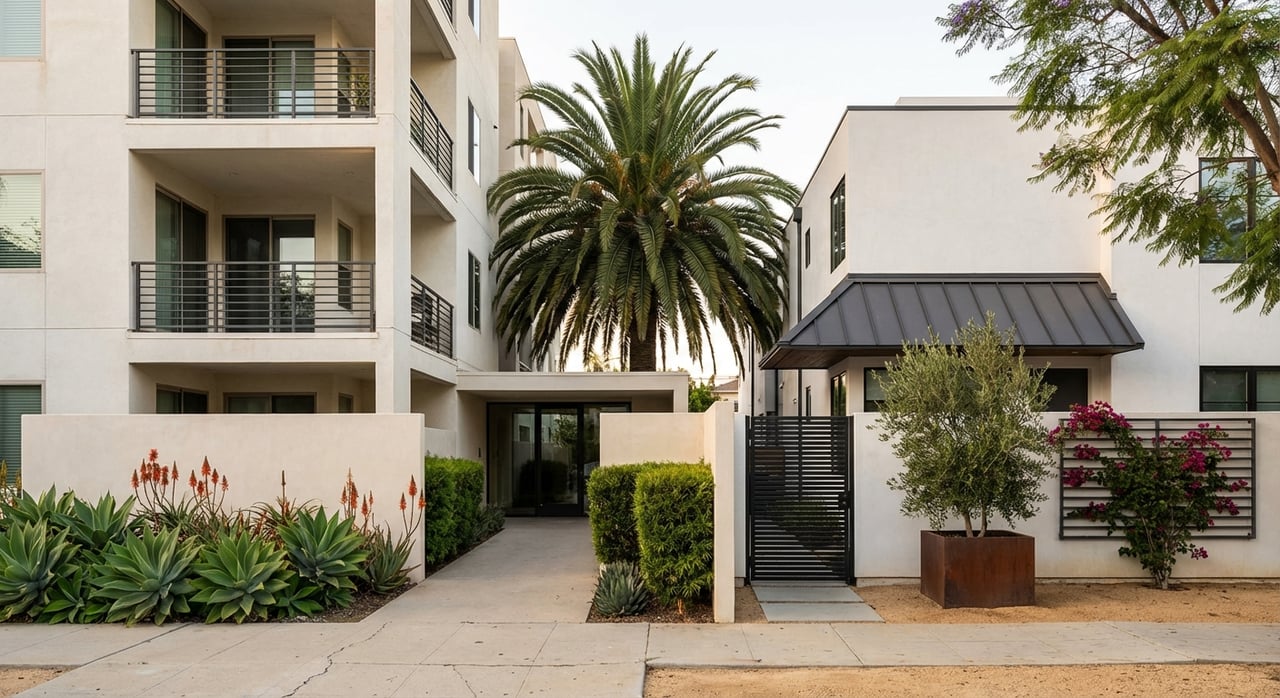
Trying to decide between a Silver Lake condo and a small‑lot home? Both can deliver that Eastside lifestyle you love, but the way they work behind the scenes is very different. In a market where the median sale price was about $1.56 million in January 2026 and properties averaged roughly 49 days on market, smart choices matter. In this guide, you will see the key differences in ownership, costs, financing, insurance, and day‑to‑day living so you can pick the right fit with confidence. Let’s dive in.
Quick market context
Silver Lake’s pricing and pace reward preparation. Higher demand clusters around homes with views, architect‑driven design, and newer infill. That includes both boutique condos and small‑lot single‑family homes. With pricing at a premium and competitive timelines, you want to understand not only the lifestyle tradeoffs but also the financing and resale implications before you write an offer.
What is a small‑lot home in Los Angeles?
Small‑lot homes are fee‑simple single‑family houses created under the City of Los Angeles Small Lot Subdivision framework. They are not condos. The municipal code outlines where they can be built, how access and parking work, and the minimum lot dimensions. If you are evaluating one, review the recorded tract or parcel map for easements and shared elements. You can see the legal framework in the Los Angeles Municipal Code that governs small‑lot subdivisions and related standards in Section 12.22 and associated provisions. Review the City’s code language.
In Silver Lake, many small‑lot homes are two to three stories with rooftop decks, tuck‑under or tandem garages, and compact patios. Local coverage has highlighted recent small‑lot projects on the Eastside, including Silver Lake. See an example of new townhome‑style infill in the neighborhood.
Small‑lot pros
- Fee‑simple ownership with more direct control than a condo.
- Private entries and no interior shared corridors.
- Many builds are newer and align with modern energy codes and design features.
Small‑lot cons
- Smaller yards, often replaced by rooftop decks that require thoughtful privacy and noise management.
- Tandem garages and narrow drives can shift extra cars to street parking, so confirm assigned spaces and on‑street rules.
- Some projects have recorded maintenance agreements for shared drives or retaining walls that you must review at purchase.
What is a condominium and how does it work?
In a condo, you own the interior of your unit plus a shared interest in the building’s common areas. An HOA oversees rules, maintenance, and a master insurance policy, while you carry an HO‑6 policy for your interior and personal liability. It helps to know how the master policy is structured because it defines what you must insure and what the HOA covers. Learn more about the condo model and insurance basics through HUD’s overview of condominiums and this plain‑English explainer on master policy types.
Monthly HOA dues vary by building size, age, and amenities. Dues often fund exterior maintenance, insurance, and reserves, but HOAs can levy special assessments for large repairs. Always review the budget, reserve study, recent meeting minutes, and any pending assessments before you commit.
Financing and resale: the hidden differences
Condos: approvals and project health matter
If you plan to use FHA or VA financing, confirm whether the condo project is approved. FHA keeps a searchable list and also offers single‑unit approvals under specific conditions. VA has its own process. Project approval status can limit which buyers can finance in the building, which affects liquidity. Learn more from HUD’s condo approval resources.
Conventional loans follow Fannie Mae and Freddie Mac project standards. In recent guidance, lenders increased scrutiny of a building’s physical condition and reserves. Projects with significant deferred maintenance or unfunded critical repairs can be flagged as ineligible, which narrows the buyer pool and impacts resale. You can read the framework in Fannie Mae’s project standards.
Small‑lot homes: simpler, single‑family style underwriting
Small‑lot homes are typically treated as single‑family residences for title and lending. That usually means fewer project‑level hurdles during underwriting. You still need to verify recorded easements, any maintenance agreements, and as‑built conditions, but you are generally not subject to a condo‑style project approval process.
Lifestyle tradeoffs in Silver Lake
Outdoor space and privacy
- Condos: Expect a balcony or patio and, in some buildings, shared roof decks or courtyards. The tradeoff is less private outdoor space.
- Small‑lot: You often get a small yard or rooftop deck and a private entry. Rooftop decks add usable space but require care with privacy and sound between neighbors.
Parking and access
- Condos: Assigned parking in a garage is common. Rules vary for guest parking and storage.
- Small‑lot: Shared driveways and tandem garages are common. Street parking in popular parts of Silver Lake can be tight, so confirm assigned spaces and recorded access before you bid. A national case study series highlights how design and parking interplay in compact infill; it is a good reminder to verify drive aisles, tandem arrangements, and guest options. See the HUD user case study resource.
Energy and newer‑build features
Many newer small‑lot homes comply with modern California energy standards that may include solar and higher performance envelopes, which can help operating costs and comfort. For a lay summary of the solar requirement’s intent and scope, see this overview of California’s solar rules.
Cost picture: what you pay and when
- Condos: Monthly HOA dues cover shared expenses and reserves. Review the last reserve study, any pending special assessments, and the master insurance policy. If the HOA faces significant unfunded repairs, lenders may restrict financing until issues are resolved.
- Small‑lot homes: You typically pay directly for your roof, exterior, and site maintenance, similar to a traditional single‑family home. Some communities have a small maintenance association for shared drives or walls. Confirm whether one exists and what it covers.
Insurance and earthquake coverage
- Condos: You will need HO‑6 coverage that matches the HOA’s master policy, plus loss assessment coverage. Earthquake insurance is separate in California. Ask whether the HOA carries it and what happens after a seismic event if it does not. Learn more about master policies from this insurance explainer and review earthquake basics at the California Department of Insurance.
- Small‑lot homes: You carry a standard homeowners policy and can add earthquake coverage as a separate endorsement or policy. Because you own the entire structure and lot, you are responsible for repair or rebuild after a covered loss.
Silver Lake‑specific considerations
- Where you will find them: Silver Lake has seen steady small‑lot and boutique condo infill. Pockets near Glendale Boulevard, the Reservoir, and nearby Eastside corridors feature clusters of these homes. Local press has documented several recent small‑lot builds. Explore a nearby project write‑up to see typical scale and form.
- Community lens: Small‑lot infill has prompted discussion about design, parking, and the replacement of older structures. This context can shape block‑by‑block sentiment and, in some cases, future entitlements. For background on the policy and debate, see the Los Angeles Conservancy’s overview.
Due‑diligence checklist
If you are buying a condo
- Request CC&Rs, bylaws, budget, the most recent reserve study, and the master insurance declarations. Confirm whether the master policy is bare‑walls, single‑entity, or all‑in. A quick primer on what that means is here: condo master policy types explained.
- Ask for the project’s FHA or VA approval status and recent inspection or engineering reports. Review meeting minutes for pending special assessments. See HUD’s condo resources on approvals and project health.
- For conventional loans, confirm the project’s eligibility with your lender. Lenders follow Fannie Mae’s project standards, which now scrutinize deferred maintenance and reserves.
- Discuss HO‑6 coverage and earthquake options with your insurance advisor. Start with consumer guidance from the California Department of Insurance.
If you are buying a small‑lot home
- Pull the recorded parcel or tract map to confirm access easements, shared driveways, and any maintenance agreements. Start by reviewing the City’s small‑lot code framework and then examine the specific recorded documents for the project.
- Verify permits and final certificates of occupancy. Some features, like rooftop decks, can be altered after construction, so match listings to City records. The City outlines subdivision procedures here: Final subdivisions procedures.
- Confirm whether there is an owners’ or maintenance association for shared drives, retaining walls, or utilities. Ask for budgets or cost‑sharing terms if one exists.
Shared checks for both
- Compare recent sales by property type on the same immediate blocks. Micro‑location can swing value in Silver Lake.
- Review the property tax bill and the preliminary title report for any special assessments or district taxes that affect carrying costs.
- Price out insurance with and without earthquake coverage so you understand the true monthly budget. Use state guidance from the California Department of Insurance.
Which one fits you?
Choose a condo if you want:
- Lower day‑to‑day maintenance handled by an HOA.
- Access to shared amenities in select buildings.
- A lock‑and‑leave lifestyle and are comfortable with HOA rules and dues.
Choose a small‑lot home if you want:
- Fee‑simple ownership with more control over your property.
- A private entry and more single‑family feel in a compact footprint.
- Simpler, single‑family style financing and fewer project‑level lender hurdles.
If you are on the fence, match the property to your real monthly budget, your tolerance for HOA governance, and how you plan to use outdoor space and parking. Then confirm financing viability early, especially for condos. A few calls and documents up front can save you weeks later.
Next steps
Every block in Silver Lake has its own feel and value drivers. If you want a clear read on which option aligns with your lifestyle and budget, reach out for a focused plan. From tailored property lists and early document reviews to vetted contractors and staging, you will get a calm, concierge path to the right decision. Connect with Ross Carter to compare options and move forward with confidence.
FAQs
What is the main difference between a Silver Lake condo and a small‑lot home?
- A condo gives you unit ownership plus shared common areas under an HOA, while a small‑lot home gives you fee‑simple ownership of the land and structure governed by recorded maps and any shared maintenance agreements.
How do HOA fees for Silver Lake condos typically work?
- Monthly dues fund building insurance, common‑area maintenance, and reserves; review the budget, reserve study, and any special assessments, and confirm what the master insurance policy covers versus what your HO‑6 must cover.
Can you use FHA or VA financing to buy a Silver Lake condo?
- Yes, if the project is approved or eligible for single‑unit approval under program rules; check the approval status early since it affects loan availability and resale liquidity, and review HUD’s condo resources.
Do small‑lot homes in Los Angeles have HOAs?
- Some have a limited maintenance association for shared drives or walls, while many function like standalone single‑family homes; review recorded easements, any maintenance agreements, and budgets if an association exists.
Do I need earthquake insurance for a Silver Lake condo or small‑lot home?
- Earthquake coverage is separate in California; for condos, verify whether the HOA carries a policy and consider loss assessment coverage, and for small‑lot homes, price a standalone earthquake policy; start with guidance from the California Department of Insurance.
