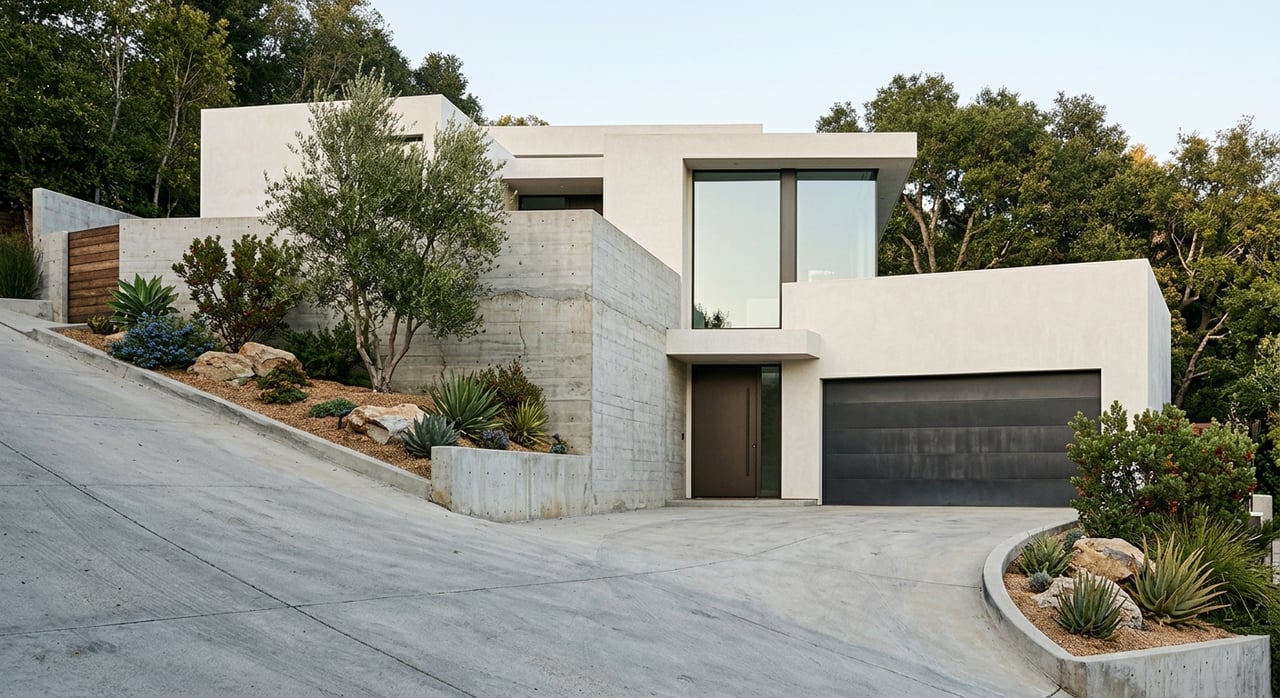
If you own a hillside home in Mount Washington, you already know it cannot be priced like a typical flat-lot property. Two homes with similar square footage can land at very different price points depending on views, parking, access, lot usability, and site constraints. This guide will help you understand what actually drives value in this part of Northeast Los Angeles and how to think about pricing with more clarity and confidence. Let’s dive in.
Why Mount Washington pricing is different
Mount Washington sits within the Northeast Los Angeles Community Plan area, and local planning context includes the Mt. Washington/Glassell Park Specific Plan and Northeast LA Hillside planning framework. That matters because pricing here is shaped by more than bedroom count, interior finishes, or total lot size.
In a hillside market, buyers often look closely at how the home sits on the parcel, how easy it is to access, and how useful the outside space actually feels day to day. A home with strong fundamentals on paper can still face pricing pressure if the driveway is difficult, the parking is limited, or the lot is less functional than it appears.
The broader market is also active, but selective. Redfin’s Mount Washington housing market data shows a March 2026 median sale price of $1,307,500, a median price per square foot of $738, 53 days on market, a 102.0% sale-to-list ratio, and 46.9% of homes selling above list price. That tells you buyers are engaged, but precise pricing still matters.
Views can change the value story
In Mount Washington, view quality is often one of the clearest pricing drivers. Buyers tend to respond differently to partial views versus wide canyon, mountain, city lights, or panoramic outlooks, especially when the main living areas and outdoor spaces are oriented toward that exposure.
Recent sales in the neighborhood make that clear. 3469 Glenalbyn Dr sold for $1.84 million with panoramic views, while 901 Isabel St sold for $2.33 million with city lights, hills, and mountain views. 3355 Scarboro St also highlighted canyon, city, hills, panoramic, and treetop views in its market positioning.
Not all views contribute equally to price. The market usually pays more for views that feel broad, usable from key rooms, and less likely to be interrupted by nearby structures or site limitations. That is why pricing a hillside home often starts with the question: what kind of view experience are buyers really getting?
Lot usability matters more than raw size
A larger lot does not automatically mean a higher value in the hills. Buyers usually care more about whether the site feels functional and enjoyable than they do about the total square footage shown on a property record.
Usable yard space, comfortable patios, room to entertain, practical storage, and a home that sits well on the parcel can all strengthen value. Recent sales show this clearly. 4900 Glenalbyn Dr paired its lot with a rare large garage and parking pad, while 3355 Scarboro emphasized privacy, parking, and utility features alongside its lot size.
For sellers, this means pricing should reflect how the lot lives, not just how big it is. A smaller parcel with a highly usable outdoor setup may compete better than a larger hillside lot with limited flat space or awkward circulation.
Access and parking have real price impact
In Mount Washington, access can be a major value driver. Buyers often weigh the daily experience of getting to and from the property just as much as they weigh design and finishes.
The City of Los Angeles has hillside development standards for single-family zones that address items such as paved roadway access, roadway width, grading, and off-street parking requirements. In practical terms, easier access and more functional parking can improve buyer confidence, while a narrow approach, difficult driveway, or limited parking can narrow the buyer pool.
This is one reason two attractive homes can perform very differently. If one property offers simple arrival, guest parking, and a straightforward garage or pad setup, it may justify stronger pricing than a comparable-looking home with more friction built into the site.
Condition still counts, but context matters
Condition and upgrades always matter, but they need to be measured against the property’s setting. According to Freddie Mac’s overview of the appraisal process, appraisers consider physical attributes, comparable sales, condition, location, market conditions, lot size, and upgrades and amenities. They also evaluate the overall condition of improvements, and deferred maintenance can materially affect value.
In a hillside home, buyers may view updates through a practical lens. Renovated kitchens and baths help, but so do documented improvements to systems, drainage, retaining elements, and other items that support the property’s long-term functionality. Clean presentation matters, but confidence in the home’s condition matters just as much.
That is why cosmetic upgrades alone do not set the price. Buyers and appraisers tend to respond best when visible improvements are paired with a property that feels well maintained and well documented.
Fire and slope constraints affect buyer perception
Hillside pricing also has to account for site constraints. The City of Los Angeles defines the Very High Fire Hazard Severity Zone, and the research behind local fire review considers factors such as structure location, slope, vegetation, and overall site setting.
For a seller, this does not mean your home is automatically worth less. It does mean buyers may look more closely at vegetation management, defensible space, slope conditions, and how complex the site appears to maintain. If a property presents more friction on those fronts, the pricing conversation may need to be more disciplined.
Permit history can support value
Buyers in hillside areas often want more than a beautiful listing presentation. They also want clarity around improvements, records, and whether prior work appears properly documented.
The Los Angeles Department of Building and Safety explains that its services include plan review, permitting, inspections, and building-record research. For sellers, that is important because documented improvements and a cleaner permit history can help reduce uncertainty during due diligence.
When pricing a home, this kind of documentation can support the value story. It gives buyers more confidence in the property and can help prevent late-stage negotiation pressure.
What recent sales suggest
The strongest pricing strategy starts with comparable sales that actually match the subject property. The Federal Housing Finance Agency explains that appraisers select comps that closely match the property and then adjust for differences, with at least three settled comps typically required in mortgage appraisals.
That matters even more in Mount Washington, where micro-market differences can be significant. A home on one hillside street may compete with a very different buyer experience than a home just a few turns away.
Here is what a few recent sales show:
- 4900 Glenalbyn Dr sold for $1.6 million on April 14, 2026. It offered 2 bedrooms, 2 baths, 1,201 square feet, an 8,034-square-foot lot, mountain views, and a rare garage and parking pad setup.
- 3469 Glenalbyn Dr sold for $1.84 million on April 10, 2026. It offered 3 bedrooms, 3 baths, 2,600 square feet, a 6,964-square-foot lot, and panoramic views toward Downtown Los Angeles, Griffith Observatory, and the Hollywood Sign.
- 3355 Scarboro St sold for $1.765 million on April 7, 2026. It offered 4 bedrooms, 4 baths, 2,462 square feet, a 9,993-square-foot lot, and was positioned around accessibility, privacy, parking, and panoramic views.
- 901 Isabel St sold for $2.33 million on March 19, 2026. Property records show 4,392 square feet on 0.44 acres with city lights, hills, and mountain views.
These sales also show why price per square foot can be misleading in a hillside neighborhood. Based on the reported sale prices and living areas, the examples span roughly $531 to $1,332 per square foot, which is a wide spread. That range reflects how strongly the market reacts to view quality, lot utility, condition, access, and setting.
How to price for your goals
The right list price depends on what outcome matters most to you. Some sellers want the strongest possible early activity and a cleaner timeline. Others are willing to test the upper edge of the market if the home has standout features and the pricing story is well supported.
If you want a faster sale
A more conservative strategy usually means staying within a range supported by the most relevant comps. In Mount Washington, that often means matching hillside elevation, access, parking, renovation level, and overall buyer experience as closely as possible.
With the neighborhood averaging about 53 days on market, overpricing can lead to extra time on market and reduced leverage. If your home has one or two weaker site factors, acknowledging them early can help you attract stronger interest from the right buyers.
If you want to maximize net proceeds
If your property has compelling views, strong lot usability, easy parking, quality updates, or documented improvements, those strengths should shape the pricing narrative. Buyers tend to pay more when they can clearly see what makes a hillside home easier to enjoy and easier to trust.
This is where presentation and pricing need to work together. The strongest results often come from a disciplined comp strategy, thoughtful marketing, and a clear explanation of what makes your property stand out in the neighborhood.
Why a custom valuation matters
A hillside home in Mount Washington is not a property you should price by automated estimate alone. The market here rewards nuance, and small differences in access, siting, views, and usability can create meaningful changes in value.
If you are thinking about selling, the smartest next step is a property-specific review of recent comps, site characteristics, and buyer-facing strengths. For a tailored, high-touch valuation strategy grounded in the Eastside market, connect with Ross Carter.
FAQs
How is pricing a hillside home in Mount Washington different from pricing a flat-lot home?
- Hillside pricing usually depends more heavily on views, access, parking, lot usability, slope, and site constraints, not just square footage, bed count, or finishes.
What features add the most value to a Mount Washington hillside home?
- Strong view exposure, usable outdoor space, practical parking, easier access, solid condition, and documented improvements are some of the clearest value drivers in this market.
Does price per square foot work well for Mount Washington hillside homes?
- It can be a helpful reference point, but it is rarely enough on its own because recent sales show wide price-per-square-foot variation tied to views, site utility, and setting.
Do parking and driveway access really affect Mount Washington home prices?
- Yes. In hillside neighborhoods, easier access and better parking can improve buyer appeal, while a difficult driveway or limited parking may reduce demand or pricing power.
Why do recent comparable sales matter when pricing a Mount Washington home?
- Recent comparable sales help show how buyers are responding to similar homes in the same micro-market, and appraisals rely on matched settled comps with adjustments for differences.
Should you get a custom valuation before listing a Mount Washington hillside property?
- Yes. A personalized valuation can account for your home’s views, lot usability, access, condition, and documentation in a way an automated estimate usually cannot.
