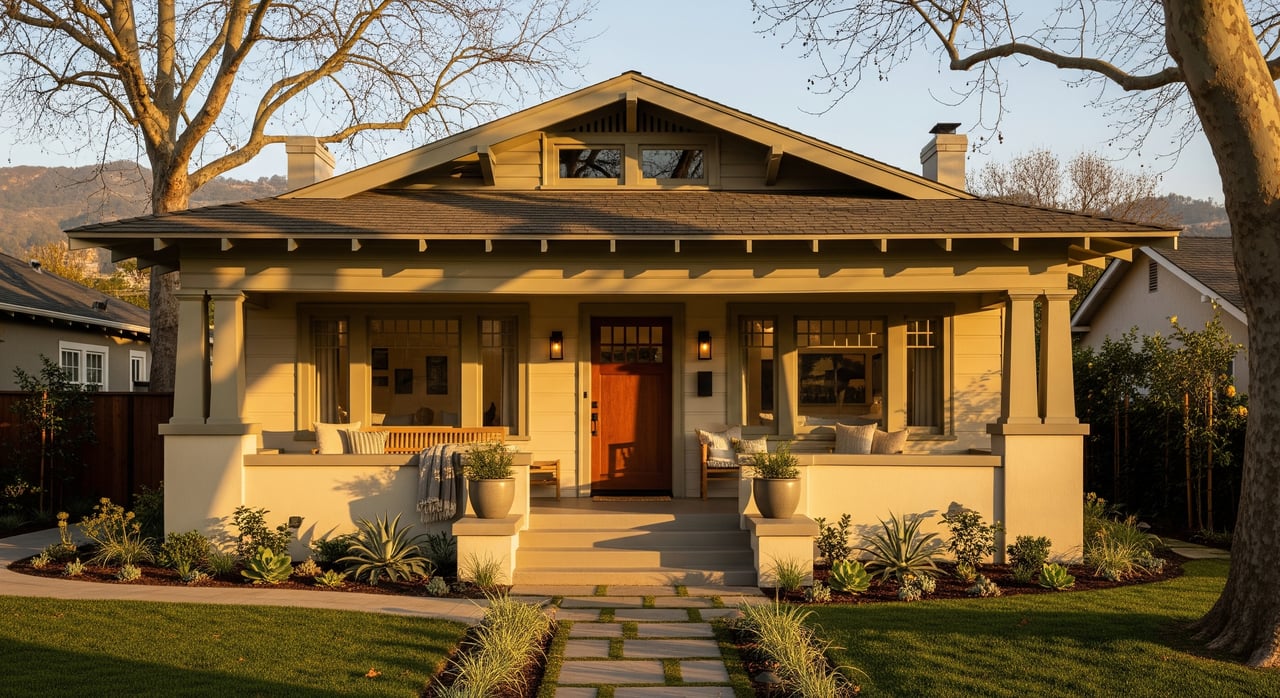
Thinking about listing your Highland Park Craftsman this spring? You know buyers love original woodwork, big porches, and character, but small prep missteps can leave money on the table. With a clear, period-smart plan, you can showcase what makes your home special while delivering the function today’s buyers expect. Below you’ll find a step-by-step checklist tailored to Highland Park so you can prep with confidence and launch strong. Let’s dive in.
Know your buyer and season
Highland Park attracts buyers who value authentic Craftsman details, walkable corridors like York and North Figueroa, and access to transit and the Arroyo Seco. Many compare offerings across nearby areas such as Eagle Rock, Mount Washington, and Pasadena, so presentation matters.
Spring often brings stronger traffic and faster turnover. Before you set pricing or a launch date, review current local data such as absorption rates, median days on market, and recent comparable sales in Highland Park. If the market is shifting, timing and strategy may need a tweak.
Check rules and permits first
Some pockets of Highland Park are within historic preservation overlays. If your home is in an HPOZ, exterior changes that are visible from the street may require review. Confirm your property’s status with the City of Los Angeles Department of City Planning before you commit to exterior paint, window replacements, or porch alterations.
Major work like kitchen or bath remodels, structural changes, and electrical or plumbing upgrades typically requires permits through the Los Angeles Department of Building and Safety. If past work was done without permits, surface it now. Decide whether to seek retroactive permits where possible or fully disclose as part of your listing strategy.
California also requires standard seller disclosures, including a Transfer Disclosure Statement and a Natural Hazard Disclosure. If your house was built before 1978, provide the EPA lead paint information and related disclosures. Get these materials organized early so buyers have clarity from the start.
Tackle priority repairs
Buyers in Highland Park often focus first on big-ticket items that can derail an escrow. Consider a pre-listing inspection to identify issues and avoid last-minute surprises. Prioritize:
- Roof and gutters: Repair damaged shingles and clean or realign gutters.
- Foundation and structure: Address settlement indicators or wood damage.
- Termite and wood-boring pests: Treat and repair affected areas.
- Plumbing and sewer: Fix leaks and consider a sewer line inspection.
- Electrical and HVAC: Correct safety hazards, panel deficiencies, and confirm system function.
Addressing risk items upfront can improve buyer confidence and protect your net proceeds.
Make period-right interior updates
Aim for light, sympathetic updates that preserve character while improving function. A little restraint goes a long way.
Floors and woodwork
Refinish worn oak or fir floors and repair squeaks where feasible. Maintain original built-ins and trim. Avoid painting over intact, original wood. Clean, repair, and restore instead.
Paint and palette
Choose neutral, warm tones that flatter Craftsman woodwork. Think muted greens, warm taupes, soft terracotta, and warm grays. Keep ceilings and hallways light to enhance brightness, then use subtle contrast to make millwork feel intentional.
Kitchen refresh
A modest, well-executed update typically resonates more than a full modern overhaul.
- Keep or restore original cabinetry when practical; refinish or repaint with period-appropriate hardware.
- Replace tired counters with natural-feeling surfaces such as butcher block, honed quartz, or soapstone.
- Add task lighting and ensure appliances are reliable and scaled to the space.
Bathroom tune-up
Deep clean, re-grout tile, and refresh caulk. Consider period-appropriate fixtures like pedestal sinks, classic subway tile, and simple, timeless lighting. Avoid overly trendy finishes that clash with the home’s age and style.
Windows and efficiency
Repair sash cords, reglaze as needed, and improve weatherstripping. If you have original wood windows, preserve them. Consider interior or exterior storm solutions to boost efficiency while protecting the façade.
What to skip or rethink
- Full open-concept removals: Many Craftsman buyers prefer defined rooms and built-ins. Removing walls can erase value and complicate permits without a clear return.
- High-gloss modern remodels that strip character: Unless local comps show a premium for fully modern interiors, sympathetic updates generally perform better.
Boost curb appeal the Craftsman way
First impressions start at the sidewalk. Highlight the features that make your exterior sing.
Porch and entry
Repair porch flooring, columns, stairs, and railings so the space can act as an outdoor room. A small seating vignette signals lifestyle and extends usable square footage.
Paint and trim
If paint is tired, opt for a period-appropriate palette that complements wood and stone. Clean and repair eaves and rafter tails, and touch up trim to read crisp in photos. Confirm any HPOZ requirements before major exterior changes.
Roofline and gutters
Visible roof issues tend to spook buyers. Repair damaged shingles and align gutters so the roof presents as well maintained.
Path, steps, and visibility
Fix uneven pavers or cracked concrete. Ensure house numbers are easy to read and in a style that suits the home. A classic porch light and subtle path lighting improve safety and warmth.
Water-wise landscaping
Choose drought-friendly plantings that still feel lush and tidy. California natives, Mediterranean shrubs, and ornamental grasses work well and help keep architectural details in view. If you plan a major landscape project, check local water-efficiency rules to make sure irrigation and planting plans comply.
Stage for a Craftsman
Staging should showcase woodwork, built-ins, and room flow. Keep it simple and intentional.
- Let the millwork lead: Use neutral textiles and area rugs that make the wood feel warm, not busy.
- Clarify each room’s purpose: A defined dining area near the kitchen helps buyers understand the layout fast.
- Maintain clear sightlines: Remove bulky pieces that block circulation or built-ins.
- Embrace indoor-outdoor living: Stage the front porch and any rear patio to highlight lifestyle.
- Keep patterns minimal: Subtle textures photograph better and let original features shine.
Photography and floor plan
Work with a photographer who understands period homes. Include realistic wide shots to show flow, plus detail photos of millwork, fireplaces, leaded glass, and the porch. A clear floor plan and room measurements help buyers compare homes across neighborhoods and can reduce unnecessary showings.
Your 6 to 8 week prep plan
Use this timeline to stay on track for a spring list date.
- Week 6 to 8: Order a pre-listing inspection. Confirm HPOZ status. Pull permit history and gather documentation. Begin any major repairs such as roof, structural, or HVAC.
- Week 4 to 6: Tackle interior fixes like floor refinishing, plaster or drywall touch-ups, and electrical safety items. Finalize paint and trim repairs.
- Week 3 to 4: Complete kitchen and bath refreshes. Swap dated or mismatched hardware. Deep clean and repair or replace window screens.
- Week 2 to 3: Complete landscape updates, path and step repairs, and porch touch-ups. Acquire staging pieces and finalize a room-by-room plan.
- Week 1 to 2: Professional staging and photography. Prepare disclosure packets and marketing materials. Set your launch date, opens, and private previews.
Smart decisions that shape your sale
- Pre-inspection vs. as-is: A pre-inspection can surface issues early and speed escrow. Selling as-is may be viable with appropriate pricing and disclosures. Choose the path that fits your timeline and risk tolerance.
- Staging budget: Minimal staging can be enough when character elements are already strong. Professional staging may deliver a premium for higher-tier listings or where the layout needs clarity.
- Competitive set: Review nearby comps in Eagle Rock, Mount Washington, and Pasadena. Know where your home sits versus the best examples competing for the same buyers.
Ready to list with confidence?
A carefully prepped Highland Park Craftsman can stand out even in a competitive spring market. Preserve the features buyers love, resolve major risk items, and present with warm, period-right polish. If you want a high-touch plan tailored to your home, curated contractor and staging support, and marketing built for Eastside buyers, reach out to Ross Carter for a neighborhood valuation or to plan your launch.
FAQs
What do Highland Park buyers value in a Craftsman?
- They look for authentic features like built-ins and wood floors, tasteful kitchen and bath updates, a usable porch, and solid major systems.
How do I know if my home is in an HPOZ?
- Confirm your address with the City of Los Angeles Department of City Planning before making exterior changes that could require review.
Should I get a pre-listing inspection in Los Angeles?
- It can reveal roof, foundation, plumbing, electrical, and termite issues early, helping you price accurately and avoid escrow delays.
What interior updates deliver the best return on a Craftsman?
- Refinishing floors, sympathetic paint, hardware swaps, lighting upgrades, and modest kitchen or bath refreshes tend to punch above their cost.
What landscaping works best for Highland Park listings?
- Drought-friendly natives and Mediterranean plants that keep the façade visible, paired with safe, clean paths and simple, warm lighting.
Is selling as-is a good idea for a character home?
- It depends on your timeline and market. As-is can work with the right price and full disclosure; a pre-inspection helps you decide.
