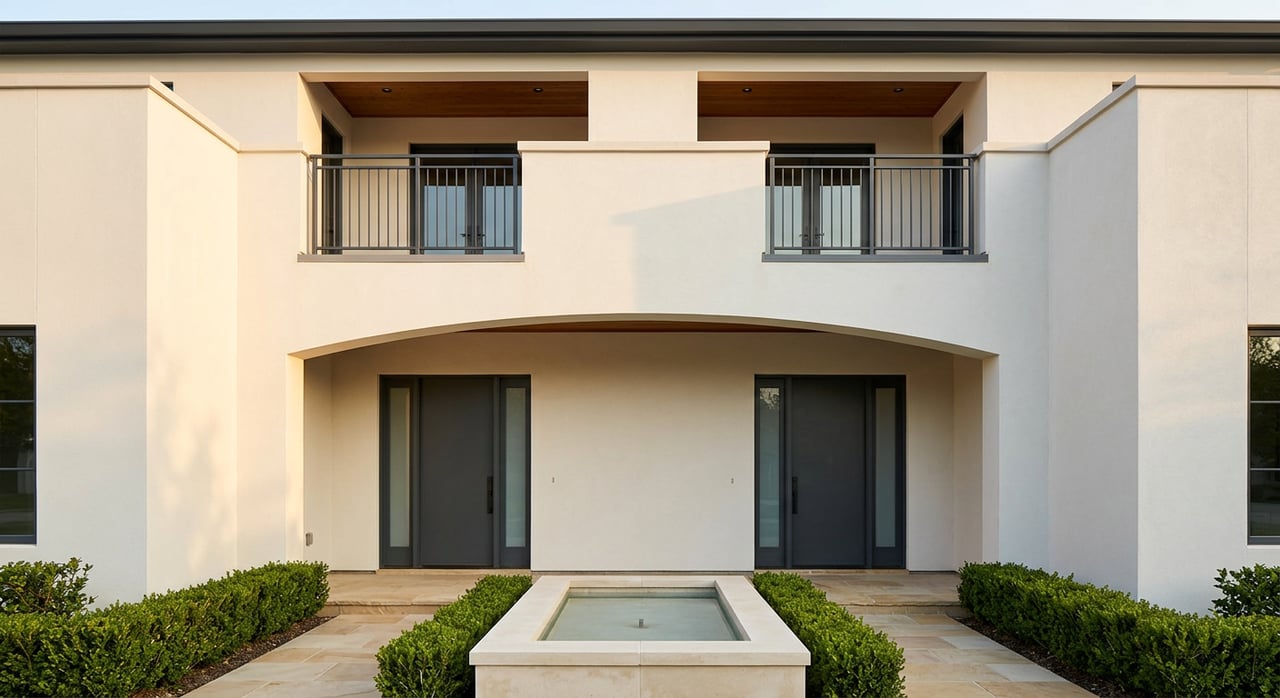
Could your housing payment work harder for you? In Eagle Rock, many buyers are turning to house hacking with duplexes to lower their monthly cost and accelerate equity. If you want neighborhood living with income potential, this guide will help you understand the local numbers, property types, rules, financing, and due diligence steps that matter most. You will also see how to position your purchase to live well in one unit while your tenant helps pay the mortgage. Let’s dive in.
Why Eagle Rock fits house hacking
Eagle Rock pairs a small-town feel with real income potential. Recent snapshots suggest a median home price around $1.2 million. That price point makes offsetting your payment with rental income appealing. On the income side, the area’s median rent sits near $2,982 per month, which creates meaningful contribution from a second unit. You should always verify current comps for your exact block, but the baseline is encouraging for owner-occupants. See current rental trends on the Eagle Rock page from Zumper’s rent research.
Local demand supports consistent interest from renters. Occidental College anchors the neighborhood and brings steady housing needs for staff and students. You can learn more about the campus on Occidental College’s website. Daily life is practical, with a walkable main street, independent dining, and neighborhood services that renters and owners both value. The DASH Highland Park and Eagle Rock circulator connects local centers and ties into regional lines, which helps tenant commuting. Route details are available from LADOT Transit.
Eagle Rock’s housing stock features early-20th-century Craftsman and Spanish styles with limited space for large new developments. The combination of character homes and constrained small-multifamily supply often supports pricing and rent levels for duplexes. The Getty Conservation Institute’s survey resources offer background on the era and style that shape the neighborhood.
What duplexes look like here
You will commonly see two-unit properties in one of two formats:
- Side-by-side duplex cottages with separate entrances and small yards.
- Stacked “one over one” flats in a single structure.
Unit mixes often include 1BR/1BA and 2BR/1BA layouts. You may also find a studio or a larger 3BR on one side. Parking, outdoor space, natural light, and privacy can all lift achievable rent for a given unit. Many properties offer separate kitchens and separate utility meters, but configurations vary, so verify at inspection.
Most duplexes here are older, so budget for condition items. Termite, roof, plumbing, electrical, seismic, and foundation needs are common. You will want a full inspection and a realistic reserve line in your pro forma so you can handle near-term capital items without stress.
The numbers that make it work
At a basic level, house hacking in Eagle Rock is a math problem you can make simple:
Confirm unit count and rent rules. Verify legal duplex status and whether the property is under the city’s Rent Stabilization Ordinance or state rules. More on this below.
Pull realistic rent comps. Use bedroom-specific and block-level comps for each unit. A 2BR may command a very different rent than a 1BR on the same lot. Check the latest data for Eagle Rock on Zumper’s rent research.
Build your income side.
- Gross Scheduled Income: add market rent for the unit you plan to lease and any other income (parking, storage, shared laundry).
- Vacancy: apply a market vacancy allowance, commonly 5 to 10 percent for small multifamily.
- Effective Gross Income: GSI minus vacancy.
Estimate expenses. Include property taxes, insurance, utilities you pay, landscaping, routine repairs, and a reserve for capital items. If you plan to self-manage, you can set a small management line. If you will hire management, include 6 to 10 percent.
Check cash flow and debt service. Subtract expenses from your effective income to get NOI, then compare to your monthly mortgage and any other debt. Your goal is to see a clear path where tenant rent meaningfully reduces your monthly outlay while you build equity.
Tip: Run a conservative base case and a downside case. If move-in rents land a bit under your projection or a repair pops up, you still want the plan to work.
Rules and protections you must know
Understanding local and state protections is essential before you write an offer. These rules shape allowable rent increases, tenant stability, and your long-term plan.
LA Rent Stabilization Ordinance (RSO)
The City of Los Angeles RSO generally covers rental units built on or before October 1, 1978. It regulates annual rent increases, requires just cause for eviction, and sets registration and relocation rules. Whether a duplex is RSO-covered will affect your cash flow, timing, and strategy. Read the city’s summary, “What is covered under the RSO,” from LA Housing Department.
California AB 1482 (statewide protections)
AB 1482 caps many annual rent increases and creates just-cause standards statewide. There are exemptions. Notably for house hackers, an owner-occupied duplex is exempt in many cases when the owner occupied one unit as a principal residence at the start of the tenancy and continues occupancy. Always verify how exemptions apply to your exact property and tenancy dates. Review the bill text on the California Legislature site for AB 1482.
SB 9 and ADUs
California’s SB 9 creates ministerial approval pathways for up to two units on single-family parcels and certain urban lot splits, subject to conditions and local implementation. In Los Angeles, eligibility can be limited by historic-resource overlays, recorded covenants, or prior eviction activity. See the city’s implementation page for SB 9 at LA City Planning. If your lot qualifies, SB 9 and state ADU rules can unlock an additional unit, which may strengthen a house-hack pro forma.
Permitting and timing
If you plan renovations to raise rent, confirm permit scope, timing, and any relocation or notice requirements under local and state law. Your plan should respect tenant protections while aligning with your value-add timeline. When in doubt, consult LA City Planning resources and an attorney who focuses on landlord-tenant matters.
Financing paths for owner-occupants
Duplexes can qualify for several owner-occupied loan programs. Your lender will match your credit, income, and loan size with the right product.
- FHA (2 to 4 units). FHA insures mortgages for owner-occupants on 1 to 4 unit properties and often allows a lower minimum required investment, commonly 3.5 percent for eligible buyers. There are occupancy and appraisal standards. Review details in the FHA Single Family Housing Policy Handbook from HUD.
- Conventional (Fannie/Freddie). Conventional programs exist for owner-occupied 2 to 4 units. Minimum down payments and underwriting vary by product and borrower profile. Ask your lender for side-by-side quotes.
- VA (eligible veterans). Some eligible veteran buyers can finance 2 to 4 unit owner-occupied properties under VA guidelines. Speak with a VA-approved lender to confirm details.
Ask how the lender will treat projected rental income from the non-owner unit for qualification. Some programs use a portion of market rent based on an appraiser’s rent schedule, while others lean on leased income. Get this in writing early.
Due diligence checklist for Eagle Rock duplex buyers
Use this list to reduce surprises and improve outcomes.
- Confirm RSO status by address using the city’s RSO property search tool. If covered, request rent history and registration records.
- Verify legal unit count. Confirm permits and recorded configuration. Check for unpermitted additions or garage conversions.
- Pull tight rent comps by bedroom count on your block. Start with current data from Zumper’s Eagle Rock rent research and pair it with on-the-ground observations.
- Order full inspections. Prioritize roof, foundation, plumbing, electrical, and seismic readiness. Budget realistic reserves.
- Check utilities and parking. Map meter separations for gas, electric, and water. Clarify which utilities you or your tenant will pay. Confirm parking rights and any shared driveways or easements.
- Screen for history that affects plans. Look for recent buyouts, Ellis Act activity, or demolition permits that can impact SB 9 or RSO status.
- Scope any expansion path early. If you hope to add an ADU or use SB 9, review eligibility with LA City Planning’s SB 9 resources before you open escrow.
- Get lender-ready. Ask for a written estimate that shows down payment, closing costs, how rental income will be used to qualify, and your monthly payment. Collect current leases and a 12-month income and expense summary if available.
Living well in a duplex
A great house hack balances privacy, comfort, and clear expectations.
- Sound and privacy. Consider rugs, added insulation where feasible, and respectful quiet hours that match your house rules and lease.
- Separate what you can. Separate entrances, mail, and utilities simplify daily life. If water cannot be metered separately, consider a fair utility reimbursement in your lease.
- Parking clarity. Mark spaces and spell out use in writing. A simple diagram attached to the lease helps avoid friction.
- Lease basics matter. Use a clear, lawful lease, set maintenance response times, and define communication channels. Keep records of notices and repairs.
- Plan for upkeep. Older Eagle Rock buildings shine with consistent care. Line up a handyman, gardener, and trade pros before you need them.
How Ross Carter helps you execute
If you want to house hack in Eagle Rock, you need a plan that blends neighborhood nuance with disciplined numbers. With nearly three decades of Eastside experience, Ross brings hyper-local intel on block-level rents, unit mixes, and condition patterns that affect offers and pro formas. You also get white-glove service and a vetted contractor network to help you stabilize or upgrade quickly after closing.
- Search and selection. Identify duplexes with the right layout, privacy, and rent upside for your goals.
- Negotiation and timing. Craft offers that respect local tenant protections and secure the access you need for inspections and financing.
- Prep and presentation for sellers. If you are trading out of a duplex, Ross’s marketing-forward approach can help position your asset to reach both lifestyle buyers and investors.
Ready to explore house hacking on the Eastside or to evaluate a duplex you already have in mind? Let’s map your numbers and next steps together. Get a neighborhood valuation or start your property search with Ross Carter.
FAQs
Is my Eagle Rock duplex covered by rent control?
- The Los Angeles RSO generally covers units built on or before October 1, 1978 and sets rent increase and just-cause rules; confirm status for your address on the city’s site and review state rules under AB 1482.
Can I finance a duplex with a low down payment in Los Angeles?
- Yes, FHA allows owner-occupied financing for 2 to 4 units with a lower minimum required investment for many buyers; see the FHA handbook from HUD and compare conventional and VA options with a lender.
Can I add an ADU or use SB 9 on a duplex lot in Eagle Rock?
- Possibly; SB 9 and state ADU rules can create unit pathways on qualifying parcels, but local implementation and historic or recorded limits apply, so review LA City Planning’s SB 9 guidance and verify eligibility.
What makes Eagle Rock attractive for house hacking specifically?
- High purchase prices paired with solid local rent potential, a steady renter base near Occidental College, transit access via DASH Highland Park/Eagle Rock, and a character housing stock that limits new small-multifamily supply can support the house-hack model.
