If you have ever wondered what it really feels like to live on the hillsides of Mount Washington, the answer starts with the terrain. This is a part of Los Angeles where the land shapes your routine, your commute, and even the way homes sit on their lots. If you are thinking about buying or selling here, understanding that day-to-day rhythm can help you make smarter decisions. Let’s dive in.
Hillsides Shape Daily Life
Mount Washington stands apart from flatter Los Angeles neighborhoods because of its steep hills, canyons, ridgelines, and gullies. The Mt. Washington/Glassell Park Specific Plan describes an area defined by mature vegetation, natural open space, wildlife habitat, and panoramic views.
That geography affects more than the scenery. It creates a neighborhood rhythm that feels quieter, more tucked away, and more connected to the land than a typical flat-grid community. You may be only a short drive from major Eastside hubs, but at home, the setting often feels removed from the city’s faster pace.
Streets and Access Feel Different
One of the first things many people notice in Mount Washington is that getting around is more topography-driven. According to the city’s specific plan, many hillside streets are narrow or do not meet current standards, which can affect circulation, off-street parking, vehicular access, and public safety.
In practical terms, that means you will likely pay more attention to driveways, parking setups, and street width than you might in other neighborhoods. A home’s access can be just as important as its square footage, especially if you are thinking about guests, deliveries, or day-to-day convenience.
Commuting Is Usually Car-First
For most residents, everyday errands and work trips are often car-first. The hillside street layout and access constraints make mobility less straightforward than in flatter parts of Los Angeles, so driving tends to be the default for groceries, appointments, and many local routines.
That said, transit can still play a useful supporting role. Metro Micro in the Highland Park, Eagle Rock, and Glendale zone operates daily from 5:30 a.m. to 10 p.m. and is designed for first-mile and last-mile trips. It also connects riders to the A Line and several bus routes, including Lines 81 and 251.
For many people, the pattern is simple: head down the hill, connect to transit, then return home uphill at the end of the day. That setup will not feel identical to a rail-adjacent flat neighborhood, but it can still offer flexibility if you want options beyond driving.
Outdoor Time Is Built In
One of Mount Washington’s biggest lifestyle advantages is how naturally outdoor space fits into everyday life. Elyria Canyon Park sits on the southwestern slopes of Mount Washington and includes trails through coastal sage scrub, chaparral, grassland, and purple needlegrass. The park also offers views toward the Los Angeles River, Griffith Observatory, and the city.
Nearby, Ernest E. Debs Regional Park adds more hiking and biking opportunities. For residents, that means outdoor time does not have to be a special event or weekend-only plan. A short walk, trail loop, or fresh-air break can be part of your normal routine.
Of course, the hills are part of the experience. Even a quick outing can feel more like a workout than it would in a flatter area, which many residents see as part of the trade-off and part of the appeal.
Weather Can Feel More Intense
Los Angeles may have a mild overall climate, but local conditions can vary a lot over short distances. The NOAA Los Angeles climate summary notes that temperatures and humidity become more extreme farther inland and up foothill slopes. It also reports lower relative humidity in those areas, increased precipitation toward foothills, nearly rainless summers, and Santa Ana winds that can reach 35 to 50 mph in north and east parts of the city.
For Mount Washington, that often translates into a sunnier, drier, and sometimes windier feel than coastal neighborhoods. On some days, that can be a major perk. On others, especially during fall and winter wind events, it can shape how you think about outdoor furniture, landscaping, and general property upkeep.
Fire-Season Maintenance Matters
In hillside living, vegetation is part of the setting, but it also comes with responsibility. The Los Angeles Fire Department brush clearance requirements state that properties in Very High Fire Hazard Severity Zones must maintain year-round compliance, including vegetation clearance within 200 feet of structures and within 10 feet of roadways or driveways used for vehicle travel.
For homeowners, that means fire-season upkeep is not something to think about once a year and forget. It becomes part of ongoing property maintenance, along with careful timing since LAFD advises residents to avoid brush clearing on red-flag days.
If you are considering a purchase in Mount Washington, this is one of those lifestyle details worth understanding early. The trade-off for a natural hillside setting is that you need to stay proactive about vegetation management.
Homes Follow the Slope
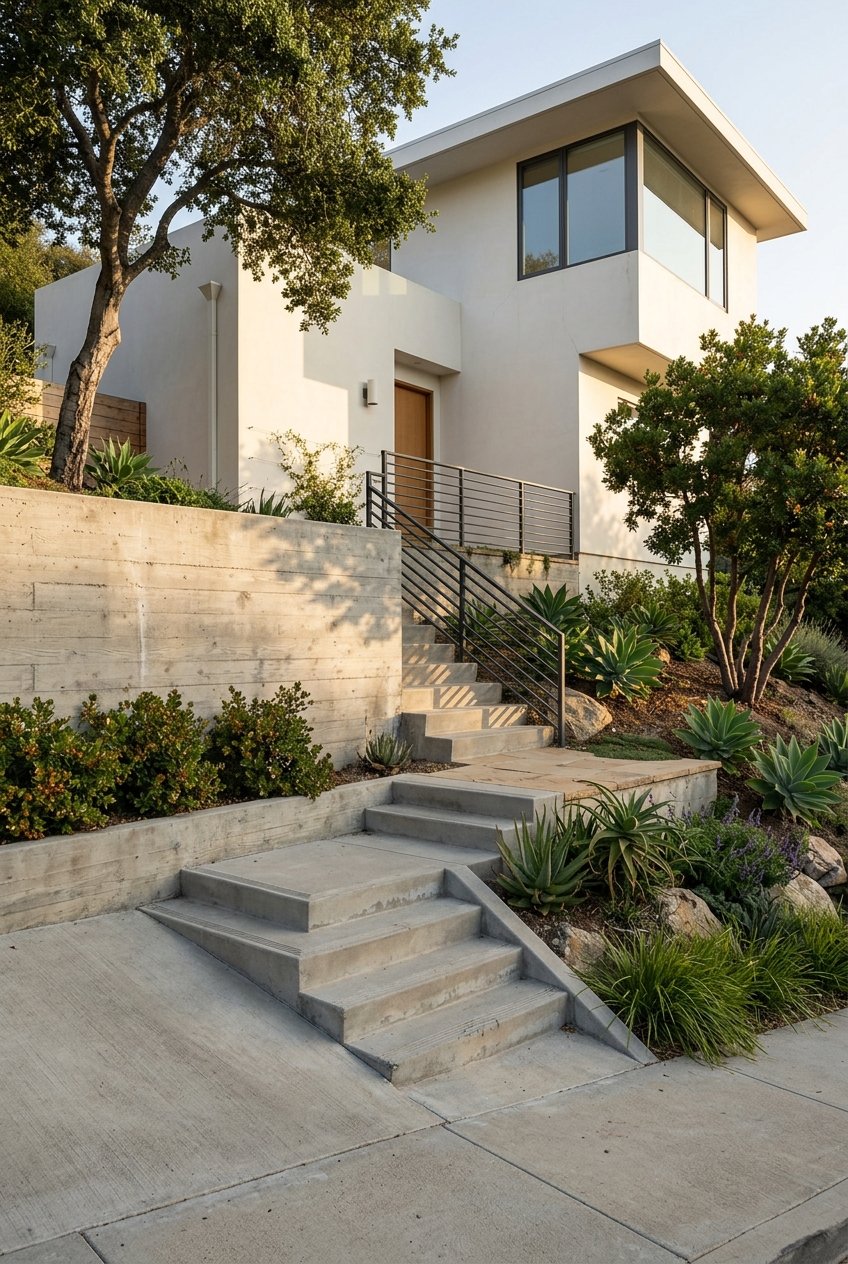
Mount Washington homes often reflect the land beneath them. The SurveyLA historic context materials for Northeast Los Angeles describe curving streets, cul-de-sacs, shallow front setbacks, retaining walls, terraces, and multi-level single-family homes with attached garages in parts of the area.
That usually means homes are designed to step with the hillside rather than flatten it out. Inside and outside, you may see split-level layouts, stair-heavy access, terraced outdoor areas, and less traditional yard space. In exchange, many properties offer privacy, elevation, and broader views.
What Buyers Should Look For
If you are shopping for a home in Mount Washington, it helps to evaluate the property through a hillside lens. A beautiful house can feel very different in practice depending on how access, parking, and elevation work in your daily life.
Keep an eye on details like:
- Street width and ease of passing other cars
- Driveway slope and garage access
- Stair count from street to front door
- Parking for household members and guests
- Outdoor space usability on a sloped lot
- Vegetation and ongoing maintenance needs
- Wind and sun exposure
These factors may not show up clearly in listing photos, but they can have a real impact on comfort and convenience once you move in.
What Sellers Should Understand
If you are selling in Mount Washington, the same hillside features that require explanation can also become part of the home’s story. Buyers are often drawn to the views, privacy, layered outdoor spaces, and architectural character that come with the terrain.
The key is presentation and positioning. A well-prepared listing can help buyers understand not just the home itself, but how the property functions day to day. That includes framing access, stairs, parking, and lot layout in a clear and thoughtful way, while also highlighting what makes hillside living special.
In a neighborhood this specific, local context matters. Buyers tend to respond best when they can picture the rhythm of life on the property, not just the finishes or room count.
Mount Washington is not for everyone, and that is exactly why it appeals so strongly to the people who love it. If you want a neighborhood where topography, views, and a more tucked-away feel shape daily life, this part of the Eastside offers a lifestyle that is hard to duplicate elsewhere in Los Angeles. If you are thinking about buying or selling here, Ross Carter can help you evaluate the details that matter most, from hillside livability to property presentation and neighborhood-specific strategy.
FAQs
What is everyday living like in Mount Washington, Los Angeles?
- Everyday life in Mount Washington is shaped by steep hills, winding streets, natural open space, and a quieter, more secluded feel than flatter Los Angeles neighborhoods.
How do most residents commute from Mount Washington?
- Many residents rely on a car for daily errands and work trips, while some use Metro Micro or connecting transit options for first-mile and last-mile travel.
Are there trails and parks near Mount Washington homes?
- Yes. Elyria Canyon Park and nearby Ernest E. Debs Regional Park offer trails, open space, and views that can be part of everyday recreation.
How does weather feel on the hillsides of Mount Washington?
- Based on NOAA climate data, hillside and foothill areas can feel warmer, drier, and windier than coastal neighborhoods, especially during Santa Ana wind events.
What should buyers know about Mount Washington hillside homes?
- Buyers should pay close attention to access, driveway slope, parking, stairs, lot usability, and vegetation upkeep because those details can strongly affect daily convenience.
Do Mount Washington homeowners need to manage brush clearance?
- Yes. The Los Angeles Fire Department requires year-round brush clearance compliance for properties in Very High Fire Hazard Severity Zones.
