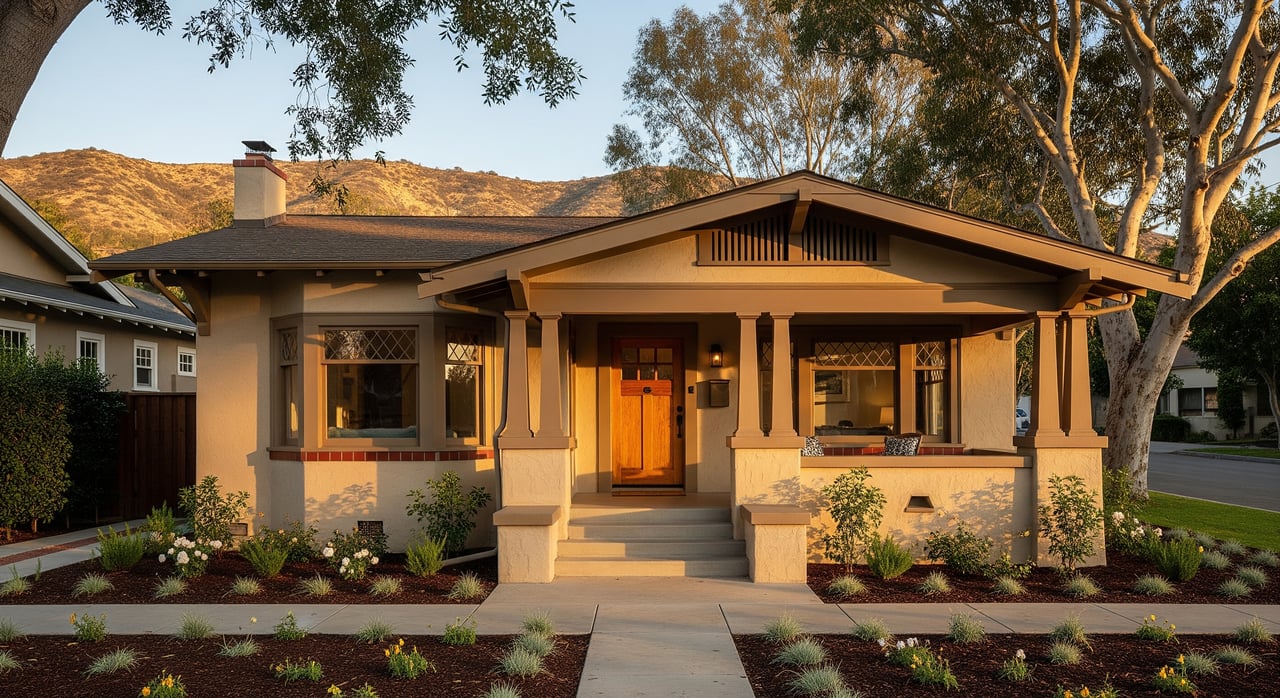
Thinking about buying in Eagle Rock but unsure where to start? You are not alone. The neighborhood offers beautiful character homes and practical condos, and the pace of the market shifts with mortgage rates, season, and condition. In this guide, you will learn typical price ranges, what drives days on market, how list-to-sale pricing plays out, and the due diligence that helps you buy with confidence. Let’s dive in.
Eagle Rock at a glance
Eagle Rock sits in Northeast Los Angeles and blends small-neighborhood character with city access and proximity to Pasadena. You will find a wide mix of early-20th-century Craftsman and Spanish homes alongside low-rise condos and smaller multifamily buildings. The market tightened during the 2018 to 2022 run-up, then cooled and normalized through 2024, with buyers today showing more price sensitivity.
The big picture: well-presented character homes and turnkey condos still attract steady interest, while fixers and aggressively priced listings can sit longer. Rate changes can quickly shift momentum, so it pays to keep an eye on live data from sources like CRMLS, Redfin, Zillow, Realtor.com, and C.A.R.
What homes cost today
Pricing in Eagle Rock varies by street, lot, view, and level of renovation. Instead of focusing on a single number, think in ranges and what you get for each property type.
Character single-family homes
These are the classic Craftsman, Spanish, and Traditional houses from the 1910s to 1940s. You often see wood trim, built-ins, and period charm mixed with either updated or original systems. In Eagle Rock, these homes usually land in the low-to-mid seven figures. Smaller homes or fixers can trade near the lower end of that band, while larger or fully renovated properties can move toward the higher seven-figure range.
Buyer dynamics: when a character home is priced correctly and move-in ready, it often draws multiple offers. You generally pay a premium for preserved details paired with modern systems and open layouts.
Entry-level condos and small multifamily
Low-rise condo buildings and small townhome-style communities offer a practical way to enter the neighborhood. These prices are typically well below single-family homes. The spread depends on building condition, amenities, parking, and upgrades.
Buyer dynamics: focus on HOA strength. Review reserves, recent or planned assessments, insurance, and any litigation. Well-run HOAs and updated units can sell quickly. Weak HOAs or building issues can slow a sale and affect financing.
What shifts price quickly
- Lot size and usable outdoor space
- Views toward Pasadena or the LA skyline
- Full, recent renovation versus original condition
- Parking and garage configuration
- Proximity to Colorado Boulevard, Eagle Rock Boulevard, and transit
- Zoning and ADU potential
Seasonality and timing
Timing your search can influence selection and negotiation leverage.
When to shop
- Spring to early summer: more listings and more buyers. Homes often show well and move faster.
- Late fall to winter: fewer listings, and sellers may be more open to negotiation.
- Interest rates: higher rates often slow activity and extend days on market. A sustained rate drop can spark quicker sales.
Days on market: what to expect
DOM varies by condition and price point. Turnkey, well-priced character homes can sell in under a month, sometimes in under two weeks during hotter periods. Fixers or homes priced above nearby comps can sit 30 to 60 days or more. Condos with healthy HOAs and tasteful updates tend to move faster than those with financial or repair concerns.
List-to-sale price dynamics
Sale-to-list ratios typically run from the mid-to-high 90 percent range up to slightly above 100 percent. Updated, well-priced properties can exceed asking, especially in low-inventory windows. Homes that need work or are priced above recent comps often close below list. For condos, a strong HOA and recent upgrades help support pricing.
Get live numbers today
If you want precision, pull a 90-day snapshot for ZIP 90041 using CRMLS or a neighborhood page on a major portal. Look at median sale price, median DOM, sale-to-list ratio, and months of inventory. Compare a 90-day view to a 365-day trend to see whether the market is speeding up or slowing down.
What to look for during inspections
Older homes and shared buildings come with specific risks. A focused plan helps you protect your budget and timeline.
Older home checks
- Seismic retrofit: look for bolted sill plates and braced cripple walls. Many older homes predate modern seismic codes. Review permit history with the City of Los Angeles Department of Building and Safety.
- Foundation and structure: watch for settling, cracking, or uneven floors. A structural engineer evaluation is common with pre-war homes.
- Electrical and plumbing: knob-and-tube wiring and galvanized or polybutylene plumbing may still be present. Upgrades can be a key negotiation point.
- Roof and drainage: check roof age, gutters, downspouts, and hillside drainage.
- Termite and dry rot: expect a termite report and potential repair estimates.
- Energy efficiency: single-pane windows and limited insulation are common in older homes.
Condo due diligence
- HOA financial health: review budgets, reserves, reserve study age, insurance coverage, and meeting minutes. Confirm any special assessments.
- Seismic and soft-story: many wood-frame buildings in LA require retrofit. Verify status and whether further work is planned.
- Rental rules: check short-term rental bans, owner-occupancy requirements, and rental caps.
- Insurance: standard policies do not cover earthquakes. Review the HOA master policy and your own coverage needs.
Permits and unpermitted work
Request permit history through LADBS and check Los Angeles County Assessor records for property details. Older remodels may lack permits, which can matter for insurance, refinancing, or resale. Build your timeline to include permit research and specialist inspections when needed.
Budgeting beyond the purchase price
Your monthly and first-year costs depend on the type of property and its condition. Plan for both routine and one-time expenses.
Upgrades and retrofits
Older homes may need seismic work, foundation repairs, electrical rewiring, or plumbing replacement. Costs vary widely by scope, so bring in local contractors and, if needed, a structural engineer during your inspection window. You can often negotiate a credit in lieu of the seller completing repairs.
HOA dues and assessments
Condo dues can vary by building and amenities. Read the reserve study and minutes to gauge the risk of special assessments, especially for seismic retrofits, roofing, or major systems. Add dues and any assessment schedule to your total monthly housing cost.
Insurance considerations
Earthquake insurance is a separate cost for single-family homes and can be a material add-on for condos depending on HOA coverage. Factor annual premiums into your budget alongside homeowners insurance and property taxes.
Offer strategy that works in Eagle Rock
A good offer blends realistic pricing with clean terms and smart protections.
Contingencies you actually use
Standard LA-area contracts often include inspection, appraisal, and loan contingencies with timelines around 17 to 10 to 3 days, depending on the agreement. Keep your inspection period focused but thorough. Plan ahead for specialists like termite, sewer scope, roof, or structural engineer if the property warrants it.
Appraisals and covering gaps
If your price exceeds the appraised value, you may need to increase your down payment or renegotiate. Discuss how much appraisal cushion you are comfortable with before you write. Your lender and agent can model different scenarios.
Negotiation tips for this market
- Focus on condition: documented issues can support credits or price adjustments.
- Use data: compare to recent 90-day comps by property type, lot size, and renovation level.
- Keep momentum: a clear, responsive posture can help you win even if you are not the highest price.
How a local advisor helps
Buying in Eagle Rock is about nuance. Condition, permits, micro-location, and HOA health all affect value. A neighborhood-focused advisor helps you:
- Target the right streets and property types for your budget and lifestyle.
- Pull current, property-specific comps and DOM trends for stronger offer strategy.
- Vet permit histories and coordinate specialists.
- Review HOA documents and reserves for condo purchases.
- Negotiate credits or repairs that align with inspection findings.
If you are ready to tour or want a custom market snapshot for your price point, connect with Ross Carter. You will get local insight, careful guidance, and a plan that matches your goals.
FAQs
How much should I budget for a move-in-ready Craftsman in Eagle Rock?
- Expect a range within the low-to-mid seven figures, with size, lot, views, and renovation level driving the final price. Use a 90-day CRMLS snapshot to pinpoint today’s range.
Are condos a realistic entry point into Eagle Rock for first-time buyers?
- Yes. Condos are typically priced below single-family homes. Review HOA reserves, insurance, and any planned assessments to understand your true monthly cost.
What inspections are must-haves for older homes in Eagle Rock?
- Plan on general, termite, sewer scope, roof evaluation, and, if needed, a structural engineer for foundation and seismic retrofit review.
When is the best time of year to buy in Eagle Rock for value?
- Late fall to winter often brings fewer buyers and more room to negotiate. Spring to early summer offers more selection but faster competition.
What hidden costs should I plan for beyond my mortgage?
- Potential seismic or foundation work, plumbing or electrical upgrades, termite repairs, HOA dues and special assessments for condos, and earthquake insurance for both homes and condos.
