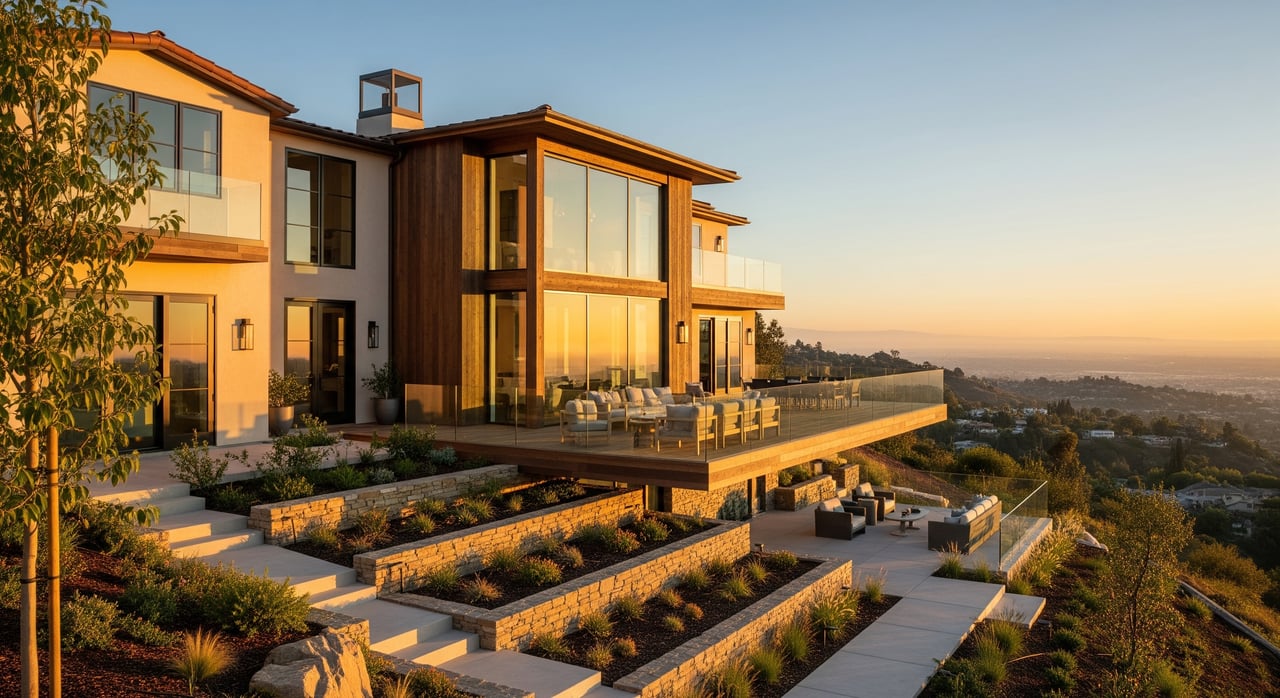
Dreaming of canyon views in Mount Washington but wondering what hillside living really looks like day to day? You are not alone. The neighborhood’s steep streets, stair-street parcels, and terraced yards create a unique lifestyle with a few extra steps in due diligence. In this guide, you will learn how to evaluate access, parking, drainage, inspections, permits, insurance, and everyday logistics so you can buy confidently. Let’s dive in.
Why Mount Washington hillside homes appeal
Mount Washington sits on dramatic slopes in Northeast Los Angeles. Many homes perch on ridgelines or canyon edges, which means light, privacy, and long views. You will find craftsman cottages, mid-century designs, and modern remodels that take advantage of the terrain.
Most outdoor areas are terraced rather than flat lawns. Retaining walls, elevated decks, and tiered gardens are common. Some blocks include public stairways and stair-only access, known locally as stair streets. These features shape how you live, park, and move things in and out.
Access and parking: what to test
Steep grades and narrow streets are part of the daily rhythm. Before you fall in love with a view, test how the property works for everyday life.
- Count the steps from the nearest drivable street to the front door. Note the condition of treads and handrails.
- Check driveway grade and clearance. Very steep drives can limit vehicle types and parking comfort.
- Walk the block and count curb spaces. Some streets have Residential Preferential Parking or time limits; confirm any permit rules with the local transportation department.
- Map out your routine: groceries, strollers, bikes, and guests with varied mobility. Ask yourself if the walk works for your lifestyle.
- Plan for move-in. Determine where a moving truck can stage and whether you would need permits or a smaller shuttle.
Outdoor space and drainage basics
On a slope, water follows gravity. Good drainage protects foundations, retaining walls, and yards.
- Look for downspouts that discharge away from the structure and retaining walls.
- Confirm that soil grades gently away from the house instead of toward it.
- Scan terraces and pathways for signs of erosion or ponding after rain.
- Identify retaining walls and note their condition. Bulging, leaning, cracking, or vegetation growing through joints are common flags to investigate.
- Expect trade-offs: views and privacy versus smaller, stepped yard areas. Think about how terraces fit your furniture, pets, and gardening plans.
Structural and safety inspection focus
Hillside homes deserve a careful look from qualified inspectors. You are not doing engineering in the field, just gathering clues and hiring the right pros.
- Site stability cues: fresh or widening cracks in masonry, steps, or patios; tilted fences; gaps at the base of walls; or uneven floors.
- Foundations and retaining walls: ask inspectors to comment on settlement evidence, weep holes and drainage, wall alignment, and root pressure.
- Decks and balconies: examine attachment points, flashing, guardrails, and visible posts for rot or rust.
- Rooflines and flashing: pay attention where the home cuts into the slope.
- Utilities on grade: locate the sewer lateral and water line. Steep runs can stress older pipes, so many buyers add a sewer camera scope.
- Exterior stairs and walkways: check riser heights, handrail firmness, and traction surfaces.
- Termites and pests: where wood touches soil or dense vegetation, a pest inspection is a smart add-on.
Permits, lenders, and insurance
Mount Washington sits in a seismic region with hillside terrain. Permits, lender conditions, and insurance are important parts of your plan.
- Building and grading permits: significant retaining walls, grading, additions, and seismic retrofits usually require city permits. Request documentation for any recent slope, wall, or foundation work.
- Lender requirements: for steep or complex sites, many lenders ask for a geotechnical report and sometimes a structural review. Budget time and cost for these if your inspector recommends them or your lender requires them.
- Insurance: coverage can cost more for homes with slope-related hazards. Standard policies may exclude earth movement without an endorsement or separate policy. Contact insurers early for quotes and coverage details.
- Wildfire and brush: canyon-adjacent parcels may require defensible space practices. Local fire agencies publish brush clearance guidance and conduct inspections.
Stair-street living: daily logistics
If you are considering a stair-only block, plan how services reach the home.
- Trash and recycling: confirm pickup location. In some cases, bins are staged at a lower street for collection.
- Mail and deliveries: ask where carriers deliver and how larger packages are handled.
- Lighting and access: walk the public stairway at dusk to gauge lighting and surface condition. Public stairways are generally maintained by city street services, but upkeep can vary by location.
- Guests and vendors: plan for clear directions, temporary parking for contractors, and safe access for anyone unfamiliar with the stairs.
Smart due diligence timeline
A little structure helps you move fast and stay confident.
- Before offering:
- Count stairs, test parking at different times, and confirm any permit rules.
- Ask for records of grading, retaining-wall, or foundation work. Request permits and receipts.
- Speak with potential lenders about any hillside report requirements.
- Get preliminary insurance quotes that disclose landslide or earth-movement limitations.
- During contingencies:
- Hire a general inspector with hillside experience.
- Add specialist scopes as indicated: geotechnical, structural, sewer camera, and pest.
- Visit during or right after a rain if possible, or ask for photos and notes on water flow.
- Verify utility access points, trash pickup details, and any known sewer lateral issues.
Budget and long-term care
Hillside homes can carry higher ongoing maintenance compared to flat lots. Plan for:
- Drainage upkeep: clean gutters and downspouts, and confirm discharge away from structures.
- Retaining wall and slope care: vegetation management, minor crack repair, and monitoring for movement.
- Decks and stairs: periodic sealing, hardware checks, and safety upgrades as needed.
- Brush clearance: seasonal defensible space work on canyon-adjacent slopes.
Make a confident offer in Mount Washington
A hillside home rewards you with light, privacy, and views, but it also asks for thoughtful planning. When you understand access, drainage, inspections, permits, and insurance, you can write a strong offer and enjoy the lifestyle with fewer surprises. If you want a tailored search, careful property vetting, and coordinated contractor support, connect with a local advisor who works these hills every day.
Ready to get started? Get a neighborhood valuation or start your property search with Ross Carter.
FAQs
Do I need a geotechnical report for a Mount Washington hillside home?
- Many lenders and inspectors recommend or require one for steep lots or when there are signs of slope concerns. It assesses soils, slope stability, and drainage recommendations.
How does parking work on stair-street properties in Los Angeles?
- Expect to park on the nearest drivable street and walk in via public stairs. Some blocks use permit programs or time limits, so confirm rules and count nearby curb spaces.
What issues do inspectors often find on hillside homes?
- Common flags include drainage problems, leaning or cracked retaining walls, evidence of settlement, deck attachment concerns, and pest activity where wood meets soil or dense vegetation.
Who maintains public stairways in Mount Washington?
- Public stairways are typically maintained by city street services. Conditions and schedules can vary, so visit at different times and ask about any local maintenance notes.
Are hillside homes more expensive to insure in Los Angeles?
- Insurance can cost more where slope and earth-movement risks exist, and certain perils may need special endorsements. Get quotes early and confirm coverage details.
